Managing an AGV or AMR production line often means coordinating dozens of component categories across multiple vendors. Each supplier brings a different quote process, MOQ, lead time, payment workflow, shipping window, and documentation standard.
That complexity adds real risk. When one critical component is delayed, a production line can stall even if every other item is ready. Supplier consolidation reduces those handoffs and gives procurement teams a cleaner way to manage the full automation BOM.
The Multi-Vendor Problem
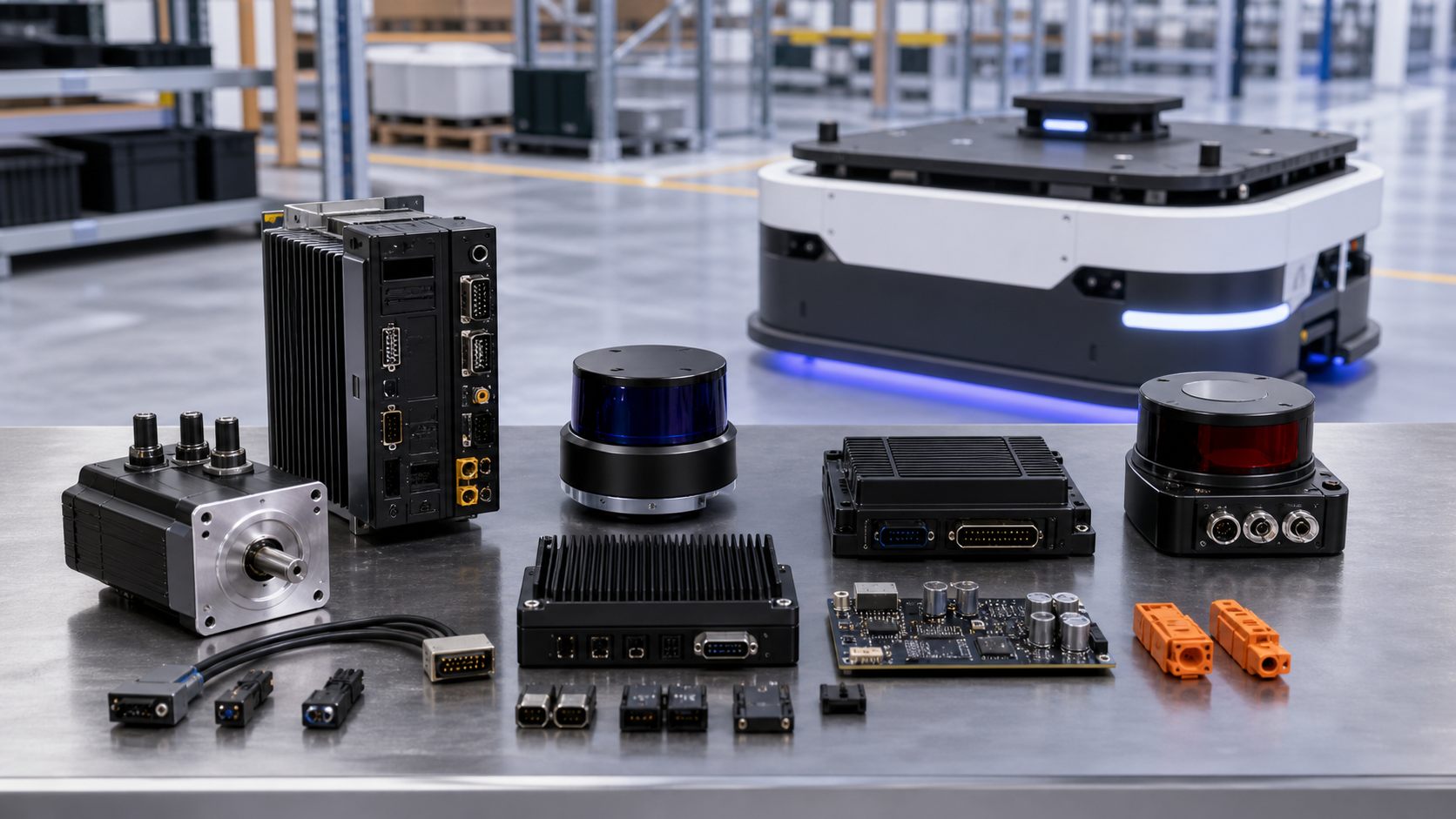
A typical AGV bill of materials can span motors, sensors, batteries, controllers, connectors, safety devices, communication modules, mechanical parts, and commissioning spares. Sourcing every category from a different vendor creates a scattered process:
- Multiple RFQs, quotes, purchase orders, and payment records
- Separate freight timelines and tracking numbers
- Uneven documentation for CE, RoHS, UL, or supplier declarations
- Harder alternate sourcing when a part becomes unavailable
- More communication overhead for engineering and purchasing teams
The One-Supplier Advantage
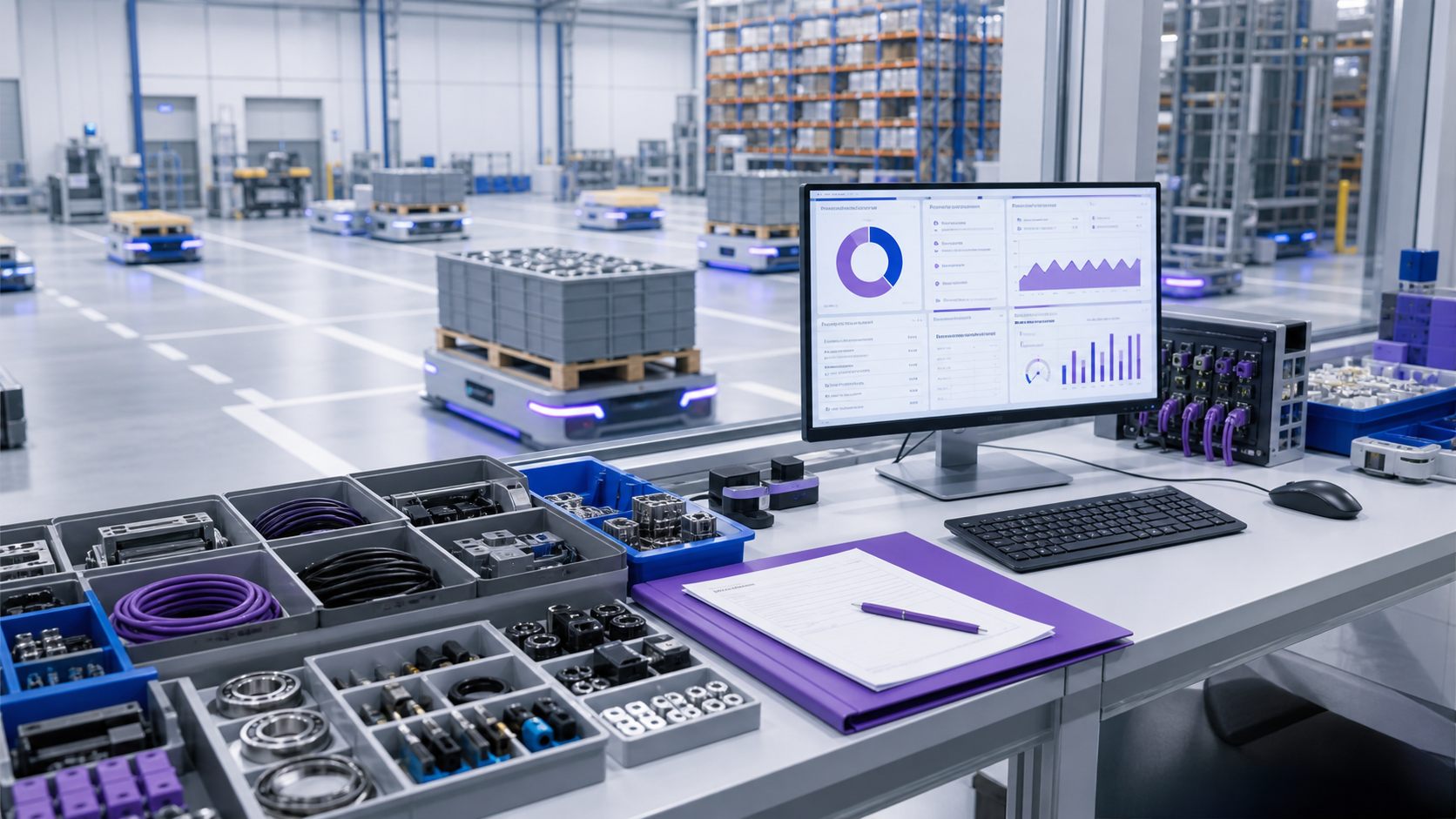
Consolidating to a broad-line automation procurement partner can turn many separate conversations into one coordinated workflow. The goal is not only fewer vendors; it is better visibility across the entire AGV or AMR component stack.
- Unified BOM quotes: one RFQ, one response, and one purchasing path for multiple component categories.
- Synchronized lead times: components can be planned around the build schedule instead of arriving in disconnected waves.
- Volume leverage: consolidated purchasing can improve pricing opportunities across categories.
- Single point of accountability: one sourcing team owns status updates, alternates, and documentation follow-up.
What to Look for in a Consolidation Partner
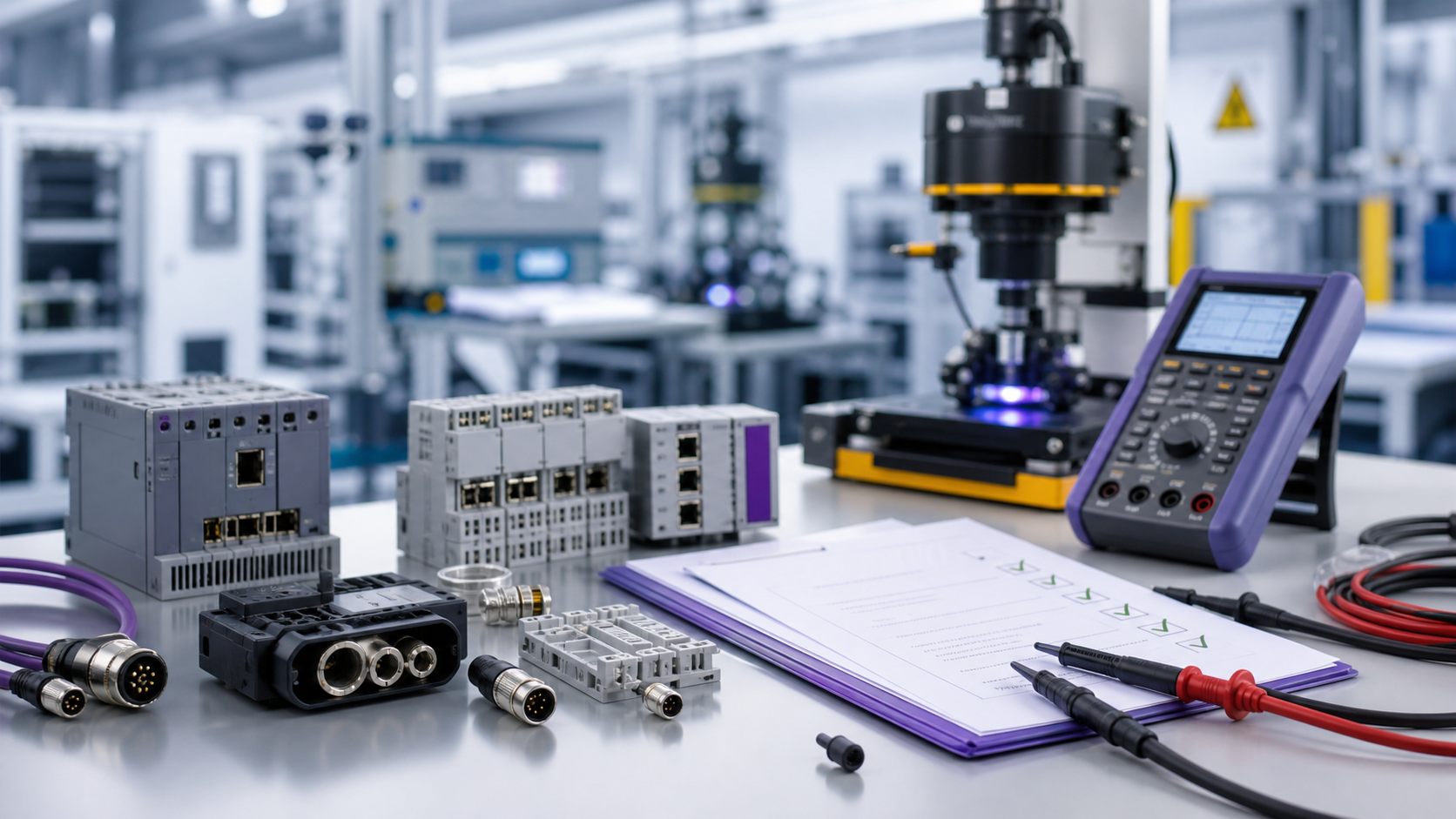
Not every distributor understands robotics and automation applications. Your sourcing partner should understand the difference between a navigation LiDAR and a safety scanner, why CANopen or EtherCAT compatibility matters, and how certification documents affect customer acceptance.
Prioritize partners that can support prototyping quantities, urgent replacement sourcing, production replenishment, and documentation review. For North American builds, USA-based stocking and responsive communication can also reduce customs delays and production uncertainty.
Where Consolidation Creates the Most Value
Supplier consolidation is especially useful when teams need to quote an entire automation subassembly, replace obsolete components, or prepare service kits for field maintenance. It also helps when engineering wants approved alternates ready before a shortage appears.
For AGV and AMR manufacturers, the strongest candidates for consolidation include drive systems, LiDAR and safety scanners, BMS modules, embedded controllers, industrial connectors, power supplies, cable assemblies, and commissioning tools.
Getting Started
The easiest first step is to send a complete or partial BOM. A sourcing partner can map available components, flag long-lead items, suggest alternates, and return a consolidated quote that engineering and purchasing can review together.